The Rising Trend: Canadians Investing in Mexico’s Pacific Coast
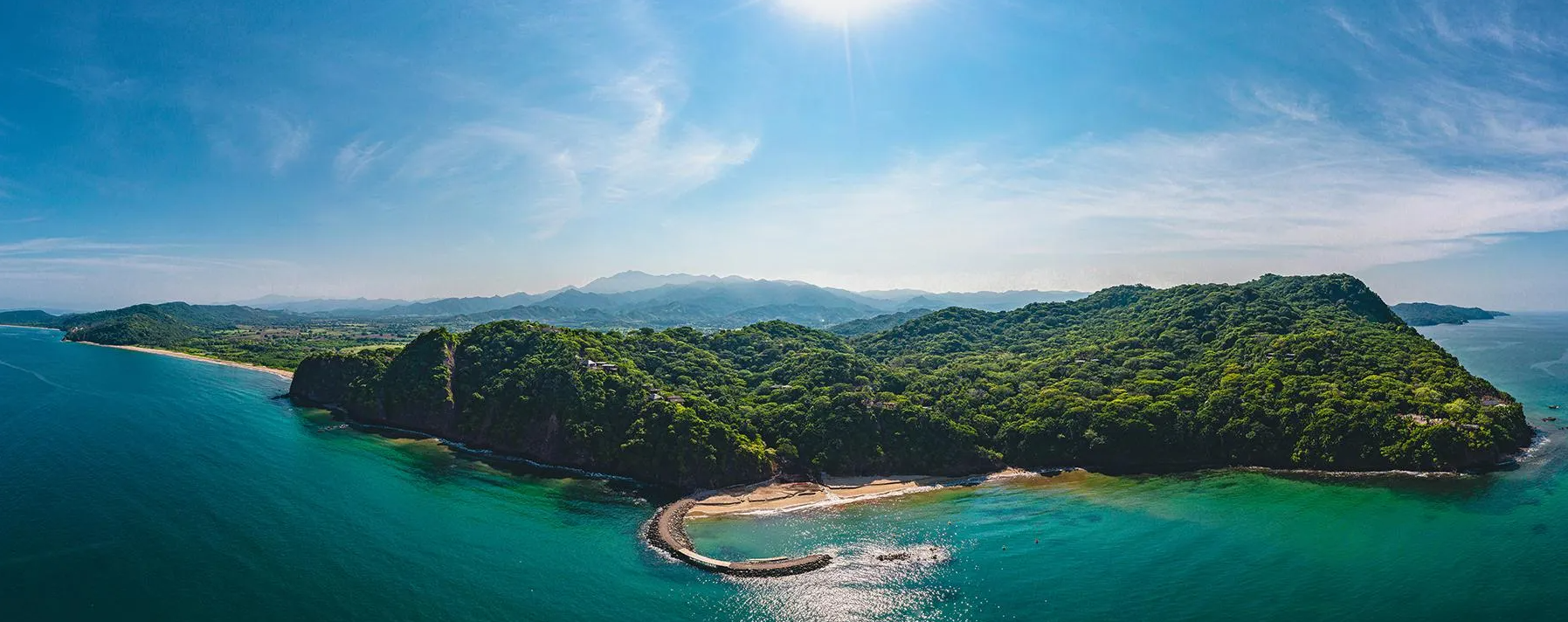
Not long ago, the typical Canadian “snowbird” plan was to rent a place in Florida, Arizona, or maybe Hawaii for the winter. Now, a growing number of Canadians are purchasing second homes on Mexico’s Pacific Coast instead. The trend is backed by real numbers. For example, among Canadians buying property abroad, the share purchasing in the U.S. dropped from 47% in 2022 to 37% in 2023 – indicating that other destinations like Mexico are capturing more interest. And it’s no wonder: Mexico’s Pacific region offers everything a family could want in a home away from home.
Why Mexico, and why now?
Several converging factors are at play:
Affordability and Real Estate Value: Housing costs in Canada’s big cities have become prohibitive – the average home in Vancouver now costs over 12 times the household income, with Toronto and Calgary not far behind. By contrast, you can find a quality condo or villa in Mexican coastal hotspots for a fraction of that price (often under USD $250,000). For many, it’s astonishing: one couple sold their small Vancouver condo and managed to buy two properties in Mexico outright – with money to spare. The value for money is hard to beat, allowing families to upgrade their lifestyle without breaking the bank.
Climate and Lifestyle: It’s no secret Canadians crave sunshine during long winters. Mexico offers a warm, pleasant climate year-round, especially along the Pacific Coast where you get dry, balmy winters and ocean breezes. Coastal towns like Puerto Vallarta, Los Cabos, or idyllic surf villages in Nayarit provide an outdoor, relaxed way of life that’s hugely appealing. Instead of huddling indoors, families enjoy beach days, golf, fishing, or simply dining alfresco every evening. The Mexican pace of life – friendly, community-oriented, and laid-back – is a refreshing change of pace. Many Canadians are seeking exactly that kind of wellness and community; post-pandemic, people value outdoor living, health, and human connection more than ever.
Geographic Proximity and Access: For West Coasters and even folks from Alberta or Ontario, Mexico is closer than you might think. Major Pacific Coast destinations are reachable by a direct flight of just a few hours (for instance, roughly 4–5 hours from Vancouver or Calgary to Puerto Vallarta or Los Cabos). Air connections between Canada and Mexico are robust, with many direct flights from cities like Vancouver, Toronto, and Calgary. This ease of access means owners can use their Mexican homes frequently – popping down for a long weekend is feasible – and family visits are easy to arrange. In fact, 4.2 million Canadians visited Mexico in 2023, a record high that even surpassed the number of European visitors. This strong travel link speaks to the comfort and familiarity Canadians are developing with Mexico.
Cultural and Personal Ties: Beyond the beaches and cost savings, there’s a genuine cultural draw. Mexico offers a rich tapestry of culture – from the food (tacos and fresh ceviche beat shoveling snow any day) to festivals and friendly hospitality. Canadians often remark on the warmth and welcoming nature of the local communities. There’s also a growing Canadian expat presence in many Pacific Coast towns, forming support networks and social clubs that help newcomers feel at home. It’s not unusual to find Canadian-run cafés or to bump into fellow Canadians at the local farmers market, which creates a sense of comfort abroad. This human connection and authentic cultural experience can be far more fulfilling than the often touristy, commercial vibe of some U.S. resort areas.
In short, Mexico’s Pacific Coast hits a “sweet spot” for Canadian families: it’s close and accessible, yet offers an exotic change of scene; it’s more affordable than both Canadian and U.S. real estate in many cases; and it delivers a warm climate and rich lifestyle that aligns with what many families are looking for today.
Mexico vs. the U.S.: Vacation-Home Showdown (Value, Culture, and More)
Without knocking our neighbors to the south, it’s clear that Mexico holds some advantages over typical U.S. vacation markets for those considering a second home. Here’s how Mexico’s Pacific Coast stacks up against the usual U.S. sunbelt destinations in a few key areas:
Better Value for Money: The cost of owning a vacation home – from the purchase price to ongoing expenses – often favors Mexico. Home prices in desirable Mexican coastal areas tend to be lower per square foot than in comparable U.S. locations (think beachfront in Sayulita vs. beachfront in Southern California). Moreover, property taxes and carrying costs in Mexico are generally lower than in the U.S., which is a practical long-term advantage. For example, annual property taxes on a Mexican villa might be just a few hundred dollars, whereas a similar property in the U.S. could incur thousands in tax and insurance. Many buyers find they can maintain their Mexican home for less, while enjoying similar (or better) amenities.
Authentic Cultural Experience: Buying in Mexico isn’t just a financial decision – it’s a chance to immerse your family in a vibrant culture. Owners often rave about the food, warmth, and hospitality that surround them in Mexican communities. From local fish markets and taco stands to colorful fiestas in the town square, there’s an authenticity that places like Florida’s gated subdivisions can’t match. Mexico offers a rich sense of place; you’re not in a generic resort, you’re part of a living local culture. This often leads to deeper personal fulfillment. As one Canadian snowbird put it, in Mexico “neighbors actually talk to each other” – there’s a sense of community that can surpass the more transient, seasonal vibe in U.S. vacation spots.
Lifestyle and Leisure: Both Mexico and the U.S. Sunbelt offer golf courses, beaches, and palm trees. But Mexico’s Pacific Coast arguably combines these with an extra layer of adventure and beauty. Whether it’s whale-watching in Banderas Bay, exploring colonial towns inland, or surfing secluded beaches, there’s a diverse array of experiences. Many Canadians also appreciate the more laid-back rhythm: less chain restaurants and strip malls, more family-run eateries and open-air markets. The human connection feels stronger, and simple pleasures – like enjoying a sunset over the Pacific with new friends – are everyday occurrences.
Hospitality and Services: Mexico has decades of experience as a top global tourism destination, so services like hospitality, healthcare (for routine needs), and property management are well-developed in the coastal regions. You can find high-quality medical clinics in places like Puerto Vallarta or Cabo that cater to expats at a fraction of North American costs. Household help (such as hiring a local property manager, housekeeper, or gardener) is also more affordable, which can make owning a second home easier to manage. In short, the comfort level for foreign owners is high – you can enjoy luxury and convenience without the premium price tag of U.S. resort areas.
It’s worth noting that the U.S. still has attractive spots and many Canadian snowbirds continue to love Phoenix or Palm Springs. However, with shifts in currency values, some trade and visa irritations in recent years, and the sheer novelty of trying something different, Mexico has emerged as a compelling alternative. As one real estate veteran observed, Mexico’s combination of climate, cost, and lifestyle advantages is causing Canadians to give it a serious look “for a long-term move, not just a winter escape”.
More Than a Vacation: A Home That’s Investment and Lifestyle Strategy
Buying a vacation home in Mexico isn’t just about having a personal paradise – it can also be a savvy investment and lifestyle strategy rolled into one. Here’s how a second home south of the border can serve dual purposes:
1. Family Enjoyment + Rental Income: Many Canadian families use their Mexico home for part of the year (say, winter holidays or extended stays) and rent it out to vacationers when they’re not using it. This can turn the property into a source of income rather than just an expense. Thanks to Mexico’s popularity as a tourist destination, a well-located condo or villa can generate solid rental return. Coastal hotspots have high demand during peak seasons; for instance, Canadians and Americans flocking to the Pacific coast in winter could be renting your place. By offsetting costs with short-term rentals (through platforms or local agencies), families effectively subsidize their vacation lifestyle. It’s not “free money” – successful renting requires marketing, cleaning, and responding to guests – but with the right setup, your vacation home can largely pay for itself over time.
2. Diversification of Wealth: Owning property in Mexico also offers a form of currency and geographic diversification for your portfolio. Instead of having all your wealth tied up in Canadian real estate or stocks, you have an asset in a growing foreign market. This can be a hedge against economic ups and downs at home. Real estate in Mexico often operates in U.S. dollars (many properties are listed and transacted in USD), which can diversify currency exposure. Plus, if Canada’s housing market cools or if the Canadian dollar fluctuates, a property abroad provides balance. As one report noted, wealthy buyers see Mexican real estate as “a tangible asset in a stable location... which can hedge against financial market volatility or inflation”. In simpler terms: a beachfront condo might hold its value or even appreciate regardless of what’s happening in Toronto’s condo market, and it’s something real that you can enjoy.
3. Personal and Family Legacy: Beyond finances, think of the lifestyle “dividend” you get. Instead of spending money each year on rentals or hotels that give fleeting enjoyment, you’re building equity in a place where your family can create memories. Your children (and eventually their children) can grow up with holiday traditions at your beach house. Some Canadians treat their Mexico home as a legacy asset – something that stays in the family. Others plan to spend more of their retirement there, gradually making it a primary home. The flexibility is yours: it can start as a part-time vacation spot, become a seasonal retirement retreat, or remain an income-generating investment – or all of the above. This long-term approach turns a simple “vacation” into a strategic move for both lifestyle and financial planning.
A Realistic Outlook: It’s important to approach this with eyes wide open. Owning abroad isn’t an effortless, postcard-perfect life every day. There will be bills to pay, maintenance to handle (tropical climates can be tough on properties), and management of rentals or caretaking. You might face occasional headaches – a leaky roof while you’re 5,000 km away, or a tricky Mexican bureaucracy moment. However, these challenges are manageable with the right support (more on that soon). Countless Canadian families have successfully navigated them. The key is to be realistic but optimistic: yes, you can have your slice of paradise and even make it financially sustainable, but it takes planning, patience, and good guidance. With those pieces in place, the dream of a dual-purpose vacation home can be very much achievable.
Navigating the Challenges of Building or Buying in Mexico
Investing in a foreign country does come with its share of challenges. Mexico’s Pacific Coast may be paradise, but it’s also a place with different laws, languages, and ways of doing business than Canada. Here are some common hurdles Canadian buyers face – and ways to overcome them:
Legal and Ownership Differences: In Mexico, foreign buyers can own property freely, but there’s a twist for coastal and border areas (which includes most of the Pacific coast). Properties in the “Restricted Zone” – within 50 km of the coast – must be purchased via a fideicomiso, which is a bank trust, or via a Mexican corporation set up by the buyer. This adds a layer of complexity and paperwork. It’s not a deal-breaker at all (thousands of foreigners do it routinely), but it means you need to ensure the trust is properly in place. There are also differences in how titles are registered and transactions conducted. Notaries in Mexico play a crucial role in property sales – they handle the closing process and ensure taxes are paid, and their fees can be higher than in Canada. All these legal nuances underscore the need for knowledgeable local professionals (lawyers, notaries, and advisors) to guide you. Tip: Always confirm the title is clear and the property is properly registered in the public registry before you buy.
Language and Cultural Barriers: Buying real estate or managing construction in a second language can be intimidating. Contracts will be in Spanish, and dealing with contractors or officials often requires translation (and beyond language, understanding the cultural way of doing things). Miscommunications can lead to mistakes or delays. Local bureaucracy (permits, utilities, etc.) might move at a different pace than you expect. Patience and cultural sensitivity are key. It helps tremendously to have bilingual support – someone who can bridge the gap so nothing gets lost in translation. As one guide notes, for foreigners unfamiliar with Mexican culture or language, navigating the process “can be challenging without professional support”. The good news: in popular expat areas, you will find plenty of English-speaking professionals too, and communities where you can get advice from those who’ve done it before.
Construction and Permitting: If you plan to build a custom home (as opposed to buying a completed one), you’ll encounter a whole new set of challenges. Mexican construction norms and timelines may differ from what you’re used to in Canada. Weather can cause delays (e.g. heavy rain in summer), and the concept of “mañana” – things happening slower or later than scheduled – is something many foreign builders have to adapt to. Getting permits and approvals requires dealing with local authorities, which might be confusing from afar. There are also reputable developers and not-so-reputable ones; due diligence is critical. We’ve heard stories of buyers signing onto a project that wasn’t properly structured under the required trust, putting their investment at risk. Doing homework on developers, checking references, and insisting on transparency in budgeting and timelines will save a lot of grief.
Distance and Oversight: Perhaps the biggest challenge for Canadian families is simply the distance. How do you keep an eye on your property (or construction site) when you’re thousands of kilometers away most of the year? Even tasks like setting up utilities, furnishing a home, or handling an emergency repair can be daunting remotely. Time zone differences and not being on the ground can lead to feeling a loss of control. That’s why many Canadians either relocate for a period to oversee things, or – more commonly – hire a trusted local representative or property manager to act on their behalf. We’ll discuss this more in the next section, because having someone “on the ground” whom you trust is often the secret to success in turning a Mexican property dream into reality.
Despite these challenges, remember that none of them are insurmountable. Thousands of Canadians have bought or built homes in Mexico and wouldn’t trade the experience (or the outcome) for anything. The key takeaway is: don’t go it completely alone. Get informed, use professionals, and treat it like a project – one that needs management and oversight just like any investment. With the right help, you can avoid common pitfalls like legal snags, construction delays, or budget overruns and instead focus on the exciting part: designing your ocean-view deck and planning your first sunset BBQ at your new home.
Monarch Development: Your On-the-Ground Ally (Owner’s Rep in Mexico)
This is where Monarch Development comes in. If the process sounds complex, that’s because it can be – but you don’t have to navigate it solo. Monarch is a boutique project management and Owner’s Representative in Mexico, dedicated to acting as the “eyes and ears” of Canadian families building or buying homes on the Pacific Coast. In plain terms, an owner’s rep is your representative, making sure your interests are front and center every step of the way. We coordinate, problem-solve, and advocate for you so that your dream home is delivered on budget, on schedule, and to the quality you expect.
Here’s what Monarch Development does for families like yours:
Local Expertise & Coordination: We are a Spanish-Canadian team based in Puerto Vallarta, with years of experience in both Mexican and Canadian construction environments. We speak the language (literally and figuratively) – from fluent Spanish to fluency in Mexican building codes and business culture. Monarch acts as the point of contact to coordinate all the moving parts of a project. We find and manage reliable architects, engineers, and contractors, ensuring everyone is working towards your vision. Think of us as the quarterback of your project – directing the team on the field in Mexico while you call the plays from Canada.
Protecting Your Budget and Timeline: One of the biggest fears when building abroad is the project running away on you – costs spiraling or a finish date that keeps slipping. An Owner’s Rep’s core job is to prevent that. At Monarch, we strictly control the budget and schedule on your behalf. We establish clear budgets up front and vet contractor bids to make sure costs are fair. Throughout construction, we monitor spending, negotiate where needed, and keep you updated so there are no surprise expenses. Similarly, we set a timeline and hold everyone accountable to it – no endless “mañana” delays. If an issue arises (and in construction, something always does), we’re there to troubleshoot immediately. As our founders like to say, “An Owner’s Rep pays for itself by making your project more efficient in time and budget.”
Quality Control & Peace of Mind: Building a home is a huge investment – you want it done right. Monarch represents your standards on-site. We regularly inspect the work, ensure materials are up to spec, and verify that the craftsmanship meets or exceeds what was promised. If you can’t be there to check that the foundation was poured correctly or that the custom cabinets are installed perfectly, you can rest easy knowing we’re checking it for you, as if it were our own home. Beyond construction quality, we also handle the paperwork and legal side to make sure permits are in order and nothing falls through the cracks. Our goal is that you sleep well at night, knowing a professional advocate is looking out for your project’s success from start to finish.
Bridging Expectations: Canadian construction norms and Mexican norms aren’t always the same. We often joke that part of our job is translating not just language but expectations. For instance, a family from Calgary might expect a certain level of detailed weekly progress reports and Western-style customer service – we provide that, while communicating those expectations to the local teams in a way that gets results without ruffling feathers. We ensure Canadian quality and professionalism meets Mexican expertise and creativity in the best possible way. The result is a beautiful home that reflects the best of both worlds.
What This Means for You as a Canadian Family
Seeing this trend and opportunity, you might be wondering: Is this something our family can do too? The answer for many is yes – with the right approach. If you’re an upper-middle or high-net-worth Canadian family intrigued by the idea of a vacation home in Mexico, here are some practical next steps and considerations:
Do Your Homework: Start by researching locations on Mexico’s Pacific Coast that match your family’s needs. Are you looking for quiet and seclusion, or a town with shopping and restaurants? Pacific communities range from the cosmopolitan (Puerto Vallarta, Los Cabos) to the tranquil (smaller towns in Riviera Nayarit, or emerging areas in Oaxaca). Look into travel times, climate nuances, and the local expat community. Additionally, familiarize yourself with the basics of buying property in Mexico – for example, the fideicomiso process for coastal properties, and any restrictions or tax implications for foreigners.
Visit and Explore: If possible, plan a trip to visit potential areas in person. There’s no substitute for walking the neighborhoods, touring some properties, and imagining daily life there. Many Canadian families combine a winter vacation with casual real estate scouting. Even if you’re building new, visiting model homes or completed projects by developers can give you a feel for quality and what you like. On the Pacific Coast, consider checking out a few different regions (say, a week in Los Cabos and another around Puerto Vallarta) to compare. You’ll also get a sense of the local infrastructure – hospitals, grocery stores, airports – which is important for long-term comfort.
Run the Numbers: Treat this as both a lifestyle choice and an investment. Outline a budget not just for purchase, but for annual costs (maintenance, property management, insurance, travel back and forth). If you plan to rent out the property, research realistic rental rates and occupancy for the area to estimate income. Talk to a cross-border tax advisor about any tax considerations (for instance, rental income might be taxable in Mexico and Canada, with treaties in place – it’s good to know the details). The good news is the cost of living and maintenance in Mexico is typically lower, so your dollar can go further. Still, ensure it fits your financial comfort zone. A thorough plan will make you feel much more secure about taking the leap.
Build Your Support Team: Perhaps the most crucial step is assembling a trusted team. This usually includes a reputable real estate agent or broker familiar with helping Canadians, a lawyer/notary to handle contracts and due diligence, and, if building, a project manager or Owner’s Representative like Monarch Development. Ask for referrals, check credentials, and talk to past clients if you can. The professionals you engage should not only be competent but also make you feel comfortable and heard. They will be your lifeline through the process. With the right team in place, barriers like language, legal hoops, or construction worries become far more manageable because you have experts handling them.
Take the Plunge (Smartly): Finally, when you’ve found an opportunity that feels right – whether it’s a plot of land with a view or a turnkey condo – don’t be afraid to move forward, but do so with due diligence. Get contracts translated and review every clause. Have inspections done. If it’s a development, scrutinize the developer’s track record. Essentially, trust your judgment but verify everything professionally. Buying internationally can seem daunting, but thousands of Canadians do it successfully each year. By being careful and thorough, you can confidently join their ranks.
What’s next? If you’re serious about exploring a vacation home in Mexico’s Pacific Coast, start by gathering information and advice. Monarch Development offers resources and personalized consultations to discuss your goals. Taking a small step – like scheduling a call or downloading a guide – can give you clarity on whether this path is right for you.
In conclusion, the surge of Canadians investing in Mexican real estate is more than a fad – it reflects a desire for a richer life, both personally and financially. Mexico’s Pacific Coast beckons with sunshine, culture, and solid investment potential. With prudent planning and the right partners, a vacation home in Mexico can transform from a distant dream into your family’s reality.
Ready to explore this opportunity further? Feel free to reach out to our team at Monarch Development. We’re happy to answer questions, share our first-hand experience as Owner’s Representatives in Mexico, and help you chart a course toward your own slice of paradise. Whether you’re looking for that perfect Pacific view or already have a project in mind, we’re here to make the journey rewarding and enjoyable. After all, the goal isn’t just a house in Mexico – it’s the brighter, warmer future it represents for your family.